A Hard-to-Sum-Up Decade, a Lifelong Unchanged Sentiment
On May 21, 2016, the most influential cancer community on the Chinese internet—the Patient-Friend Blog Circle—held its tenth-anniversary gathering in Tianjin. I became connected with this circle because of my mother's cancer, and through it formed life-and-death bonds with countless cancer patients, their families, and the doctors fighting cancer; entrusted by many patients, I stood the last watch over their lives. This tenth-anniversary gathering was also the first tenth anniversary of my own devotion to the anticancer cause. I went to Tianjin for the gathering, to reunite with old friends in the circle.
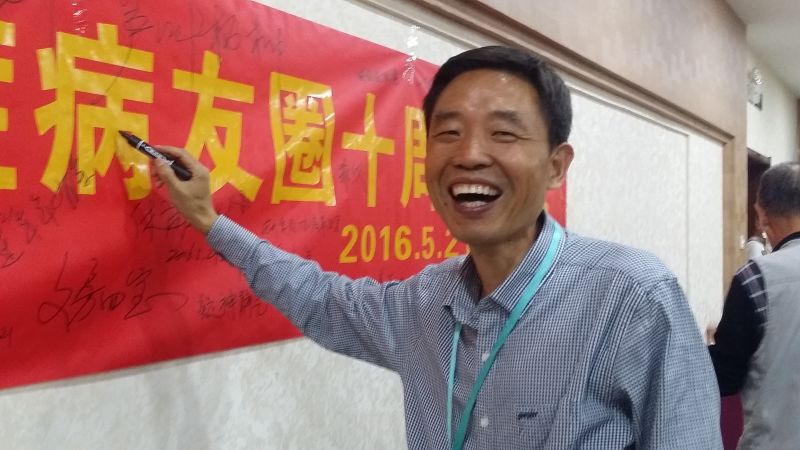
Figure 1. A joyful moment; Principal Shanren wears his trademark sly smile.
Our group is a special one. In a life that stares death in the face, all superficial pursuits have been extinguished. We are the most innocent group of people; our bitter and joyous years are all condensed in the two words "to cherish." As the former son of a cancer patient and today's anticancer physician, the deep bonds I have formed in this group are fused with my very life. I love them, and am loved by them.
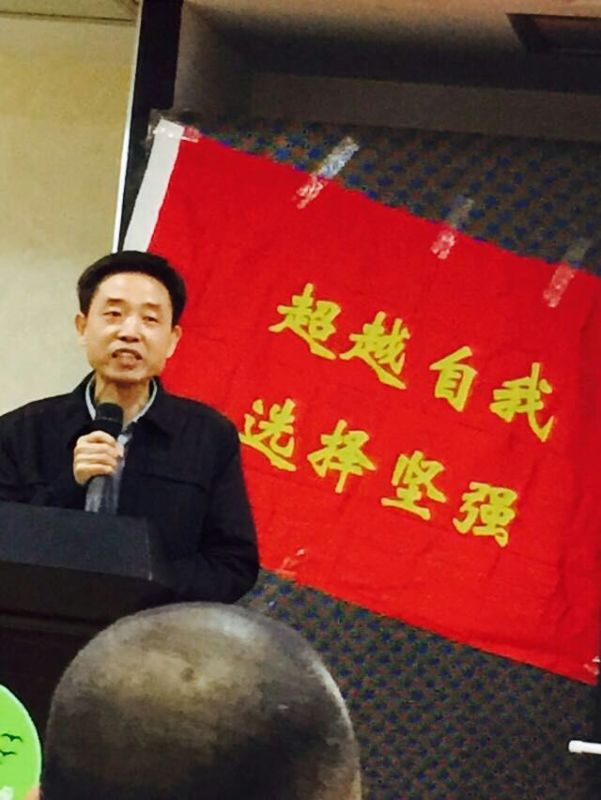
Figure 2. Before the banner "Transcend the Self, Choose Strength," Principal Shanren shows his refined side, and Dr. Jieren shows his bald head.
Human life is supremely precious. My mother passed away in my arms, and before she died we wept a final farewell; this scene I will never forget. Before she died, my mother constantly urged me to be a good doctor who saves the dying and heals the wounded. My mother, who had lived her whole life in compassion, ended up dying at the hands of the cancer demon; because of this I feel compassion for all cancer patients under heaven.
Figure 3. In the year my son was just born, my late mother held her grandson and laughed heartily; from the next year on, she was plagued by terrible illness and sought treatment everywhere.
At this gathering, Sister Kaola, who had come from Beijing, suddenly walked up to me and said: "Teacher Zhou, thank you for saving my life four years ago. If you had not saved me then, there would be no me here today." In 2012, at the seventh-anniversary gathering in Xinxiang, Henan, Sister Kaola suddenly fainted from emotional agitation; as her condition worsened and her life hung by a thread, I used a large pin as an acupuncture needle and punctured her Shaoshang, Shangyang, and other points, saving her. I had almost forgotten what she looked like, but she has never forgotten. Sister Kaola said that as long as she lives, she will never forget this debt of life. As a physician, saving the dying and healing the wounded is our bounden duty and our daily work; we do not do it to make anyone remember us. But for patients and their families, the doctor who saved their life is the person who gave them the happiness of being born again. So this profession of medicine has its value; one might even say that value is sacred.
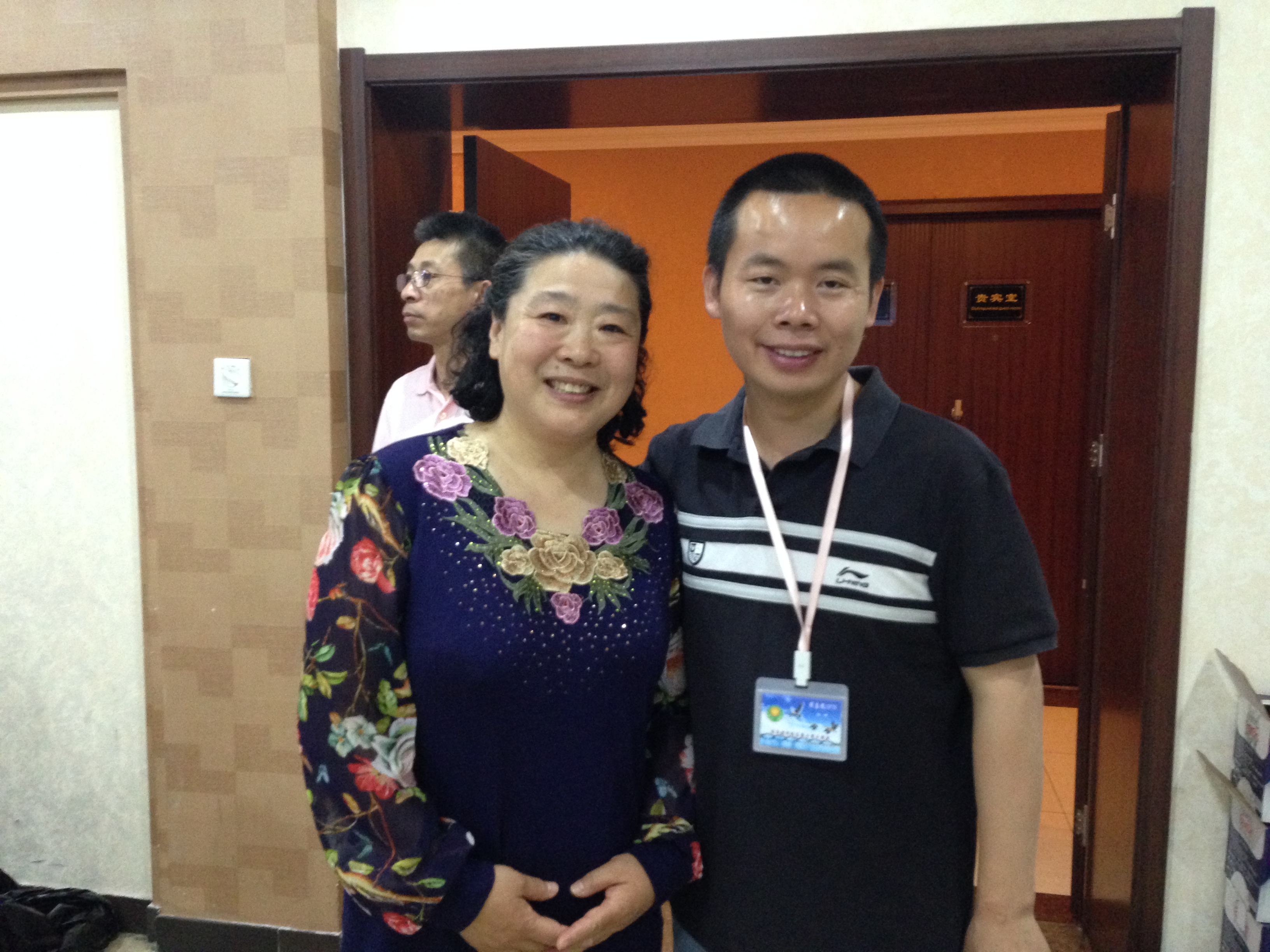
Figure 4. With cancer patient Sister Kaola, May 21, 2016.
A bitter road of ten years, a group of life-and-death friends. I was originally one of the patients and their families; I became a physician because I saved my mother, and I have won their deep trust and affection. I treat them as my own kin, and I set my medical principle as "saving one person is like saving my mother; killing one is like killing my father." They too treat me as their own. On the way to the venue, Sister YuShuQianEr, a breast cancer patient who has followed me for years, called to ask why I had not arrived yet. I teased her: "There's family business today; I won't go to this year's gathering." Sister, utterly disappointed, was dejected; a few minutes later, when I arrived at the venue and found her, the look of surprise on her face made me laugh out loud.
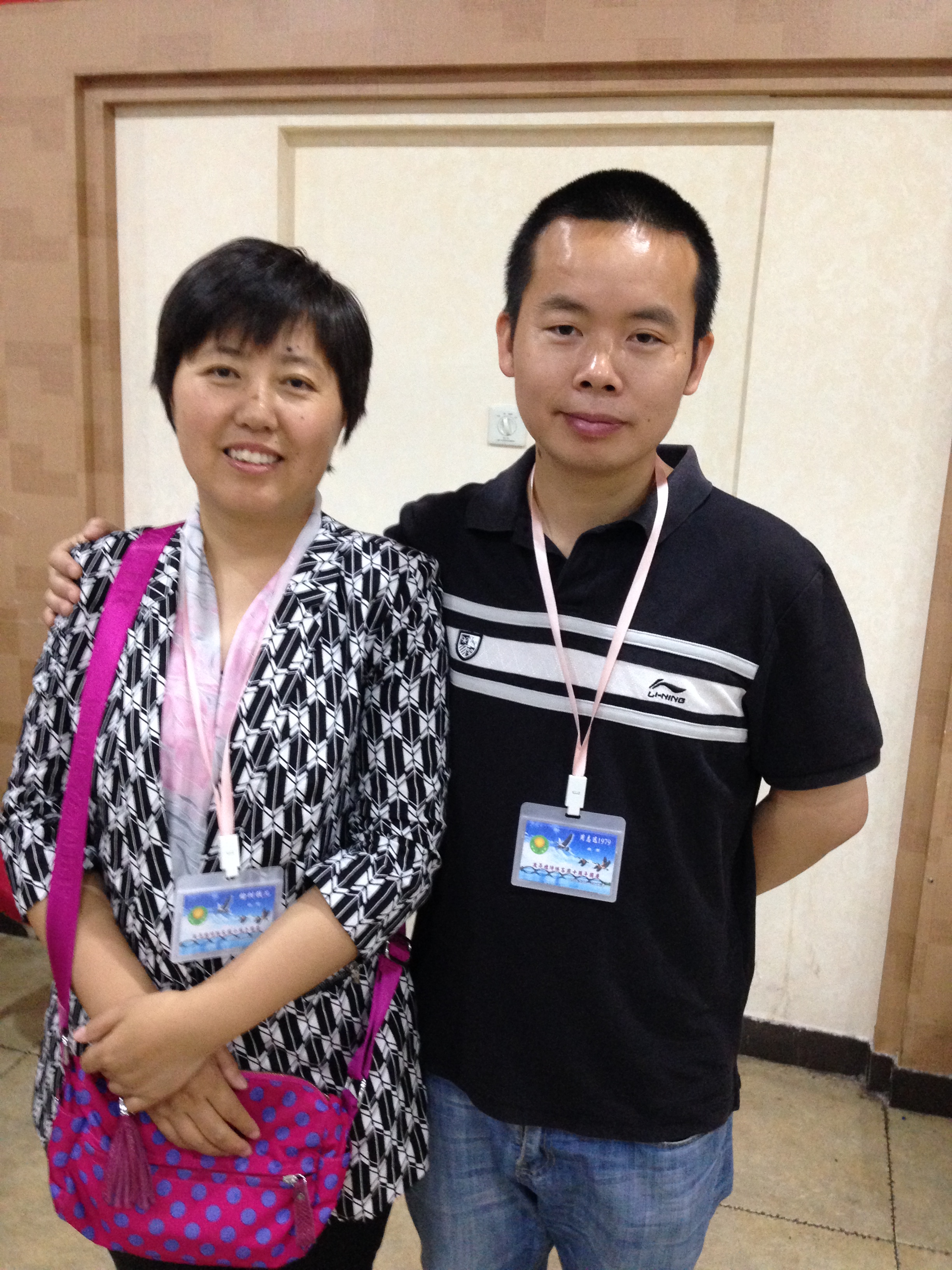
Figure 5. This tenth-anniversary gathering also happened to mark the tenth anniversary of Sister YuShuQianEr's fight against cancer.
Fenfang, the founder of the circle, said, "I gave a drop of water to the world, but the world has repaid me with an ocean." These words struck deep in my heart. I too have given a little of my strength to this big family, and this big family has always helped me grow. I have gained much in it; when I was short of money, many members reached out and bought me a large number of medical books, solving my shortage of research funds. There were times when I treated several especially hard-pressed patients who had been abandoned by their families, stricken by poverty and illness; my compassion welled up and I called out for donations for them, and friends inside and outside the circle responded in droves, which touched me deeply.

Figure 6. Sister Fenfang is no longer with us; her white-haired parents came to the gathering on her behalf.
I well understand why Sister Fenfang's parents still follow this group with such devotion. Like them, I have lost my dearest to cancer. When my mother passed away in 2012, my spirit collapsed; not long afterward I attended the seventh gathering in Xinxiang, Henan. At that gathering I was immersed in the pain of my mother's death and could not pull myself out. Not long after that gathering I vanished from the internet; the heavy blow to my spirit made me lose confidence in myself, and I even doubted whether my own medical skill was worthless. In grief I went on reading, writing, studying medicine, and treating some long-returning old patients, until a year ago I reappeared.
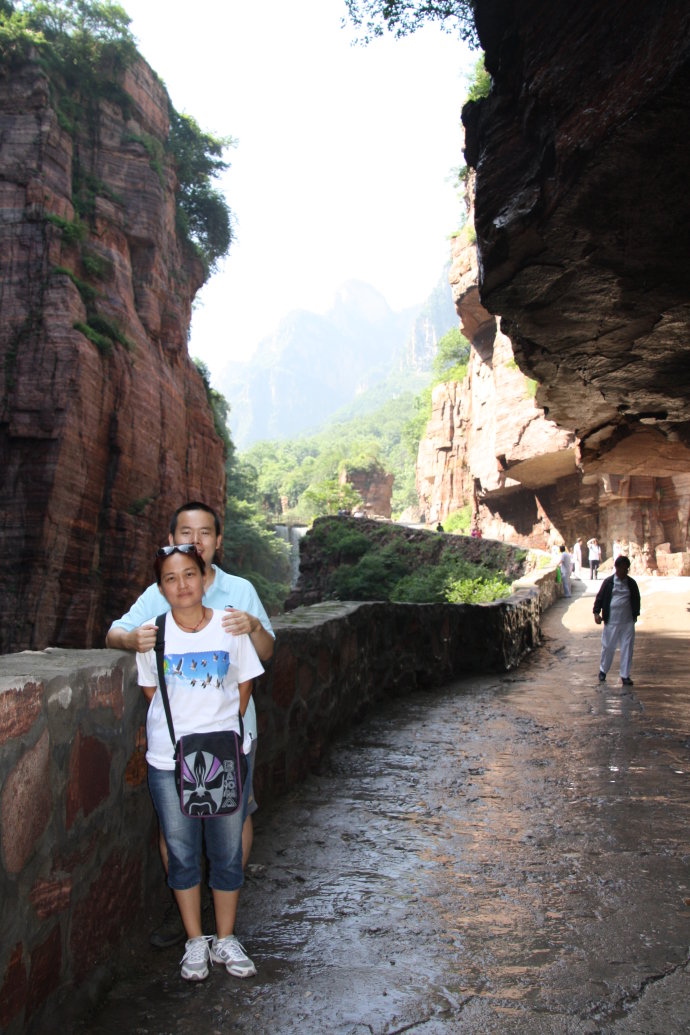
Figure 7. At the 2012 seventh gathering, with Sister Yangguang from Henan, who had just lost her own dearest, comforting each other.
Four years gradually smoothed the wounds in my heart. In these four years I studied medicine hard to improve my skill. In these four years I visited famous mountains everywhere, seeking monks and Daoists to cultivate my spirit. In these four years I struggled back and forth between life and ideals. Four years—I grew up a great deal.
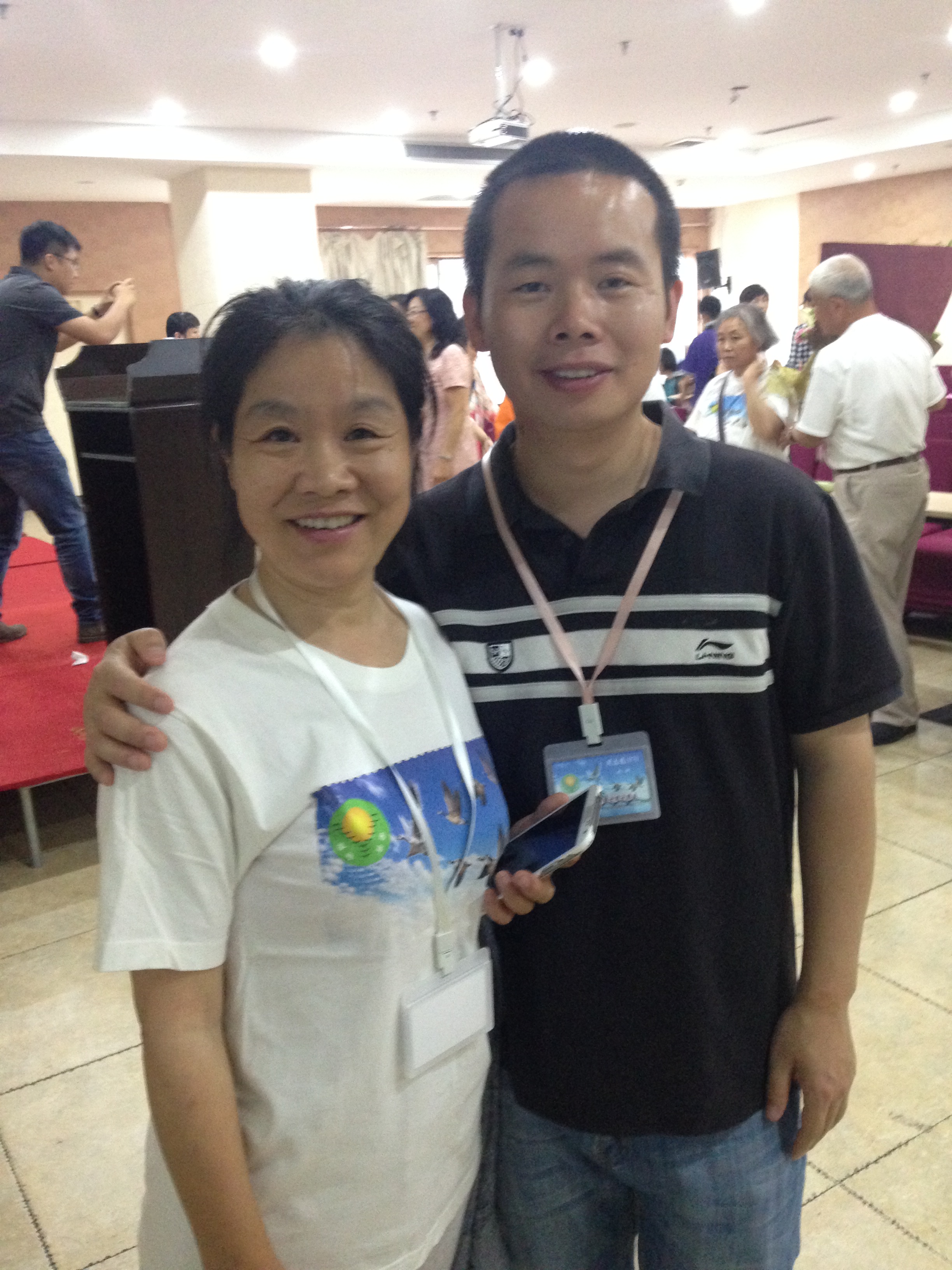
Figure 8. Meeting Sister Liqiao again after four years, she said, "You've grown up; you are now as your writing is." But she also said I was not handsome. I think everything she said before was right, but that last sentence was simply, terribly wrong. Well, I'll give her a few more years to discover my handsomeness.
The families of patients I failed to treat, and the patients I failed to treat, not only did not blame me but encouraged me to go on. At this gathering I met Dashu, the younger brother of a liver cancer patient I had once treated. He said, "I saw you finally come out of grief and set your course in medicine; I am truly happy for you." He was more than happy—he was elated. He had always believed in my character and skill, hoping I would step out of the shadows and practice medicine firmly, for the benefit of more patients. I saw Sister Ziteng, who told me that before the gathering Sister Lanzhi Huixin had repeatedly recommended me to her; in Sister Lanzhi Huixin's eyes I was a rare physician of both good skill and good character. Although my treatment of her worked well at first and later ceased to help, I could not have imagined that she was still introducing me to other patients everywhere. Because although I could not beat her cancer, I brought her hope and warmth.
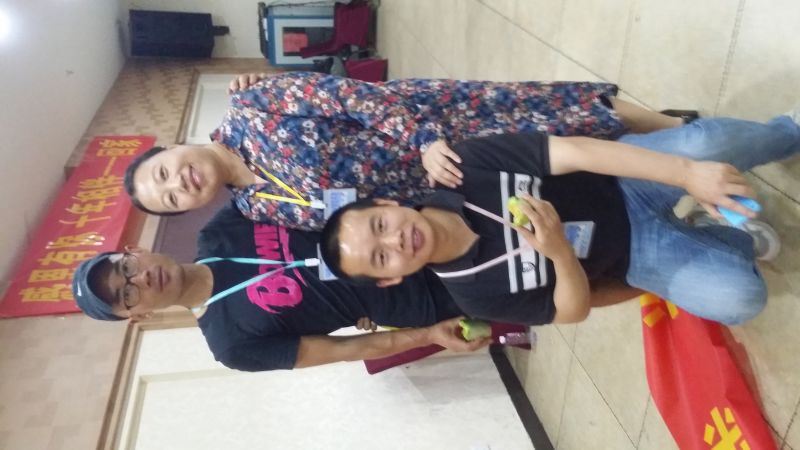
Figure 9. With Dashu and Sister Ziteng at the tenth-anniversary gathering.
In this warm big family, mutual love, understanding, and sympathy make our relationships friendly and pure. There are many anticancer stars here; some commercial medical institutions often hope to hire them for advertisements, but they have refused. Over the years I myself have been equally unable to be assimilated by any commercial medical institution, unable to accept the dark reality of Chinese medicine, simply because our group breathes the same breath and shares the same fate; we live happily yet bitterly, and feel deep compassion for fellow sufferers like ourselves.
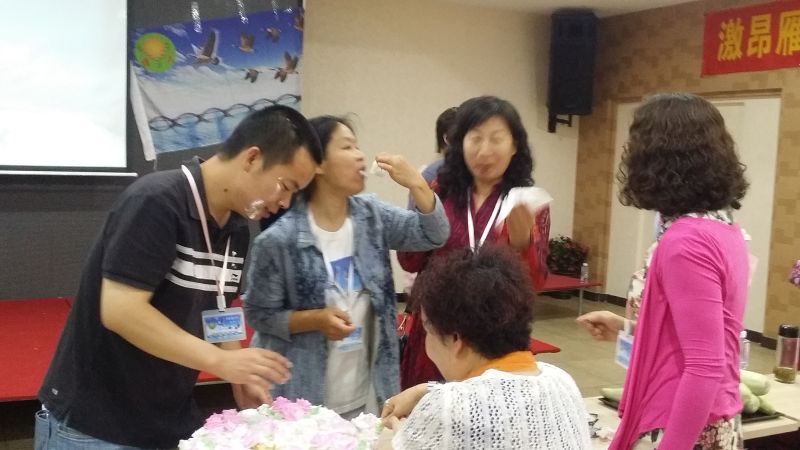
Figure 10. The "dragon-claw hand" I trained for ten years finally came in handy at the celebration cake. With no knives, forks, or plates, we ate the cake like hand-grabbed flatbread. Sister Liqiao ate with such rapture—truly the highest realm of the gourmet. The circle friend who snapped this moment of my dragon-claw hand inadvertently leaked the secret that I carry matchless martial skill.
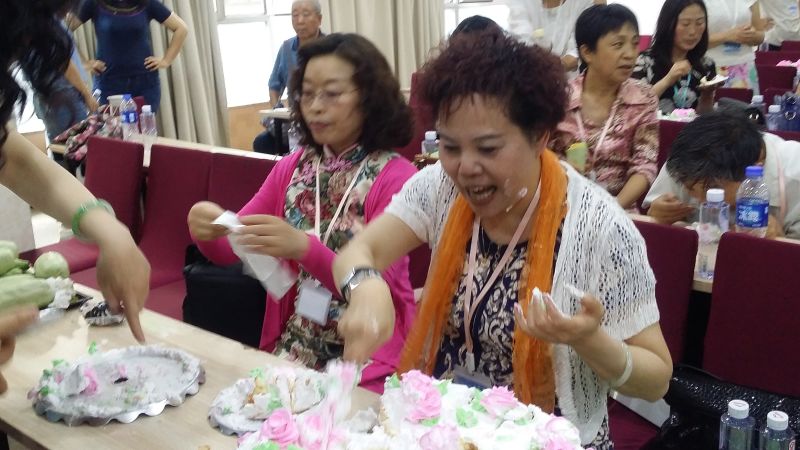
Figure 11. We endured the suffering of escaping death a hundred times to earn this moment of joy; in this moment we have only laughter, no tears. Sister Yingzi from Shanghai, thirteen years fighting lung cancer—little brother, honestly, your table manners really are unrefined.
Only by having experienced the same suffering, by being long within the group of cancer patients and feeling its pain, can one grow into the best doctor of that group. My road to becoming a doctor was walked through years of soaking together with cancer patients. In our cancer-friend circle, a well-known patient's blog signature reads "pain that can still breathe"; as long as we can still breathe, this pain in the depths of our hearts is always there.
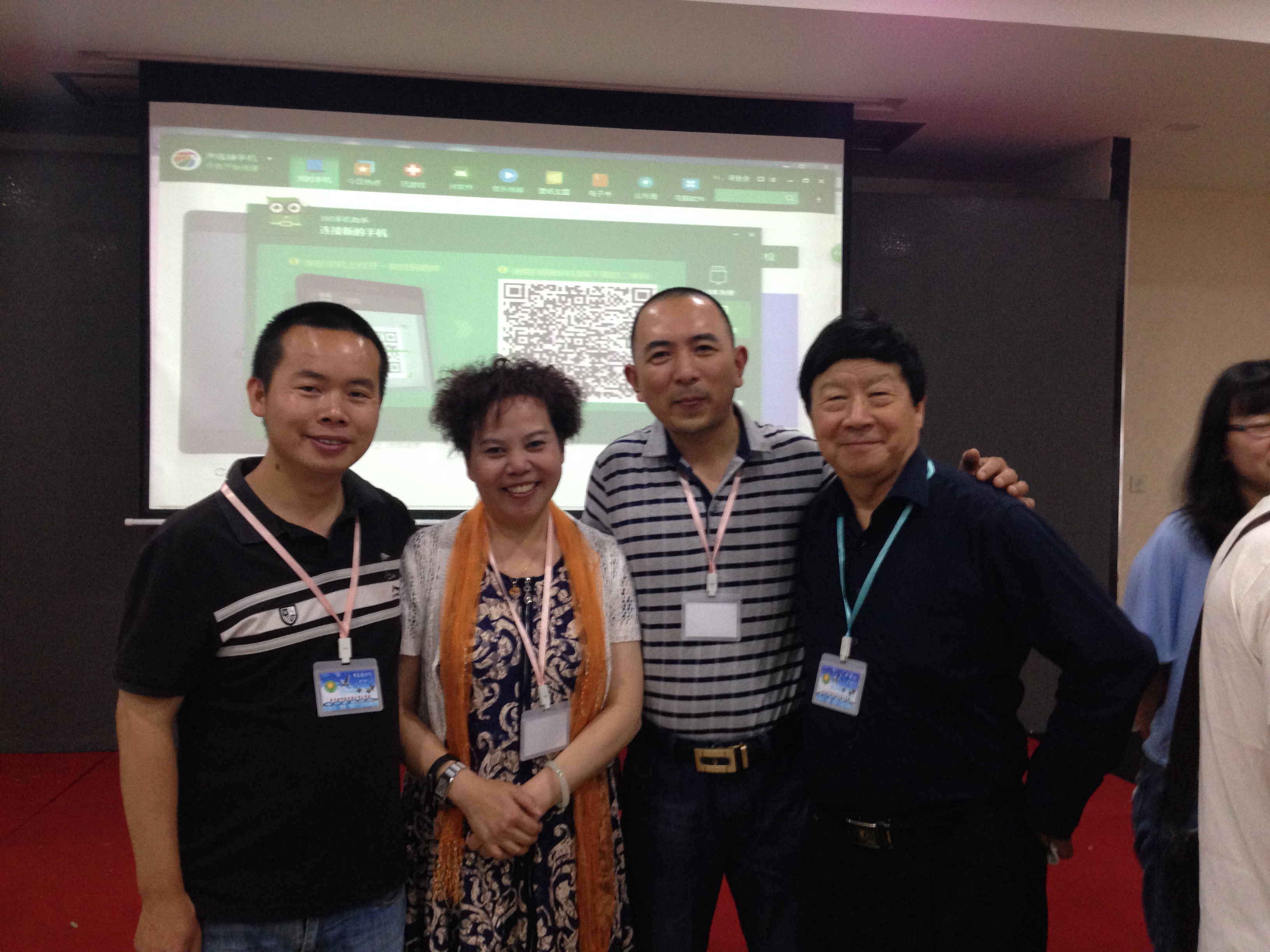
Figure 12. Me, Sister Yingzi, Dr. Jieren, and Brother Xiuxianren.
An important purpose of this visit was to bring a few newly treated patients into this circle, so that they could form bonds with the anticancer heroes here, receive their guidance, and have more options in their treatment plans. As a physician, my ultimate aim is only to save lives, not to make patients blindly worship me personally. I hope they can, at gatherings like this, draw on others' experience and be exposed to more high-quality medical resources and treatment information; if one day my treatment no longer works, I hope they have backup plans to choose from.
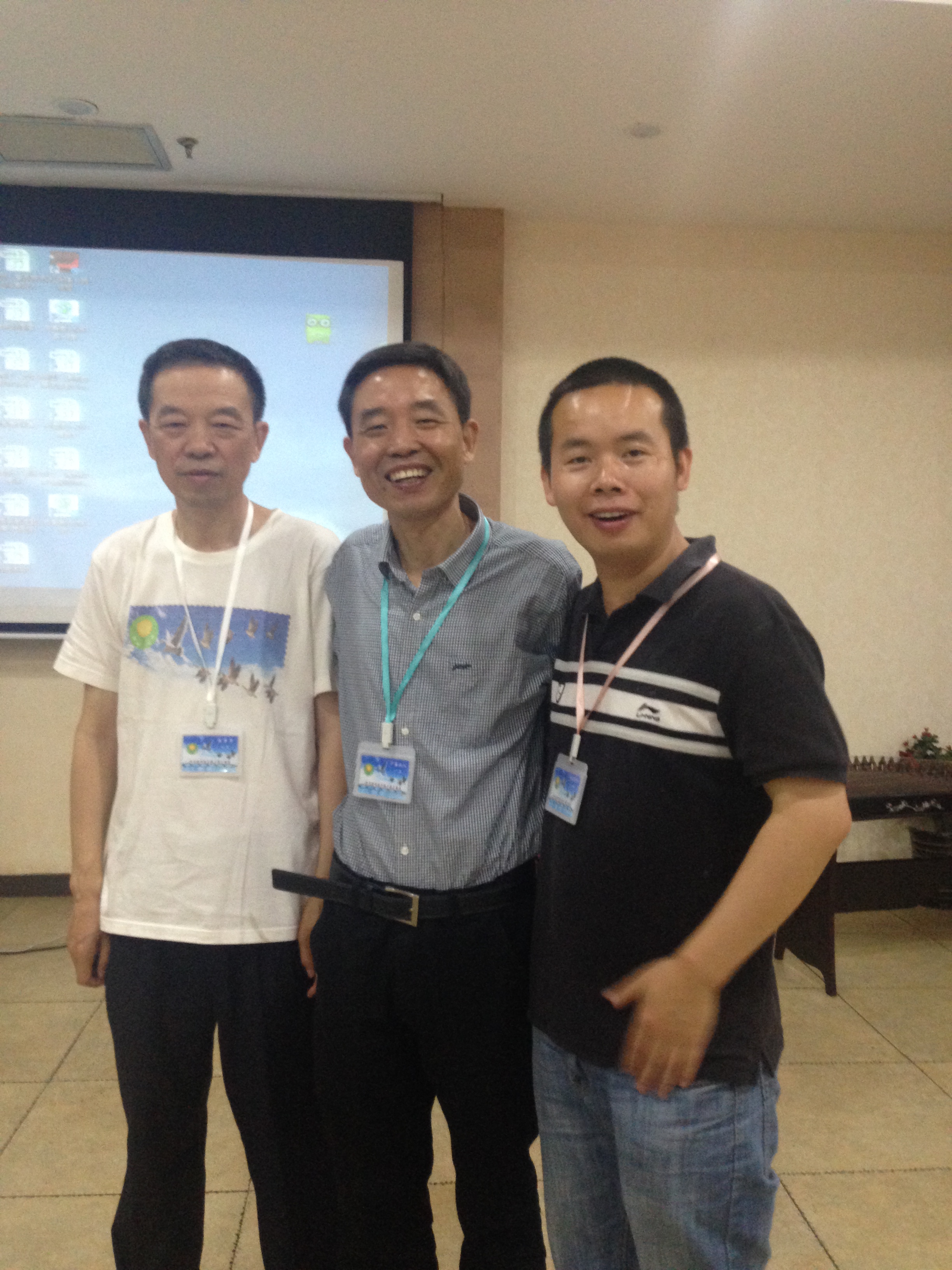
Figure 13. Lao Du, Principal Shanren, and me. "A nine-headed bird in the sky, a Hubei fellow on the ground." A smart person can surely count twenty-seven bird heads in this picture.
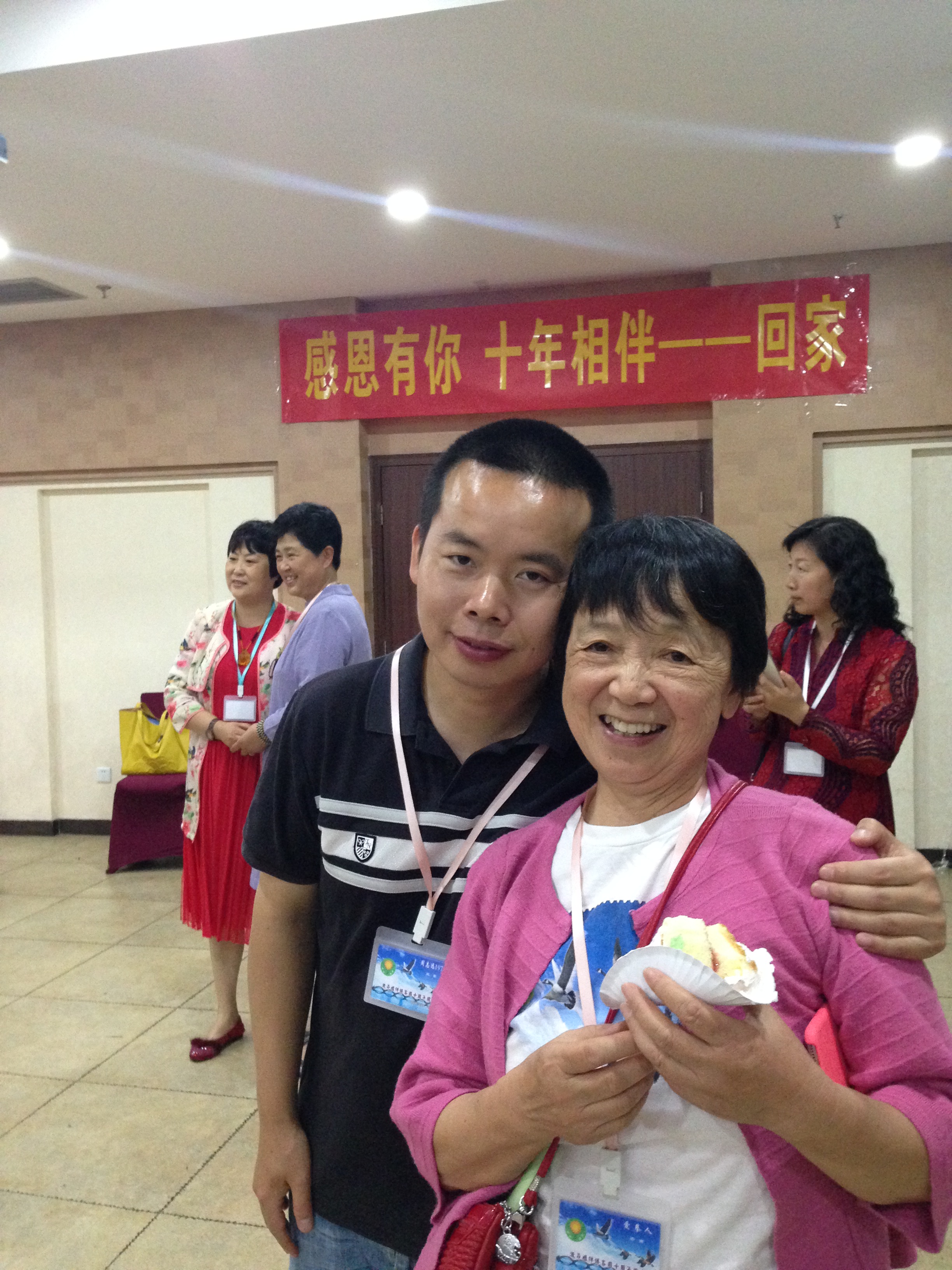
Figure 14. When this photo was taken, I asked the anticancer hero from Shandong, Aiquanren Auntie: "Do I look like your son?" Auntie said: "Yes!"
More than like—I am your son. All my life I will devote my talent and heart to this group with utter sincerity, treating every patient I treat as I would my mother, to comfort her heart in the world below.
Those who have endured the cancer demon share the same wish. Steve Jobs' son, because his father had pancreatic cancer, chose to become an oncologist. In our cancer circle, many patients' children have chosen the medical path. Sister Yangliu from Shanghai is a breast cancer patient; her mother was also a breast cancer patient; her son, like me, chose to become a doctor. Our common wish is that there be no cancer under heaven, that all cancer patients receive the best treatment and escape the hands of the cancer demon.
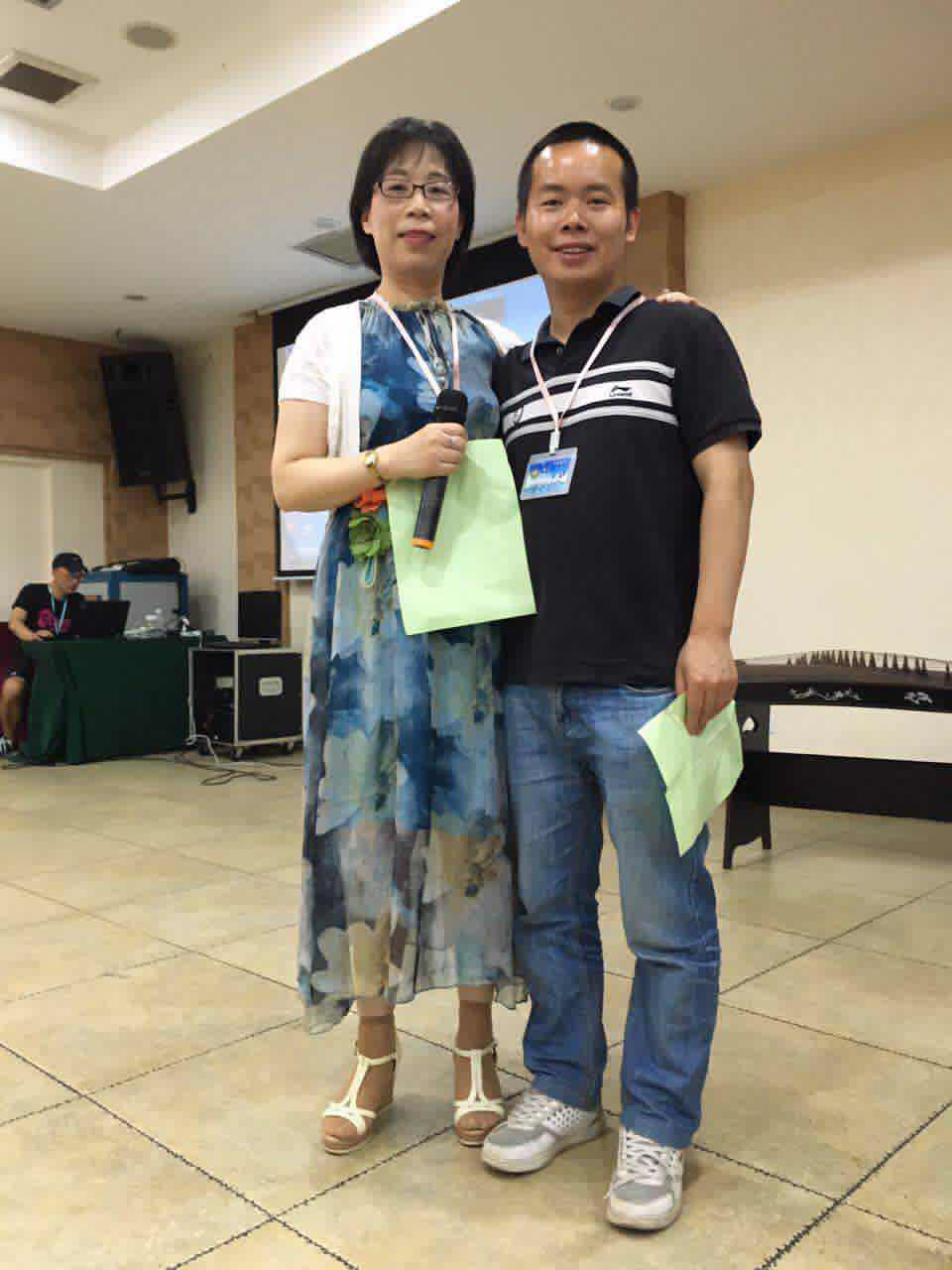
Figure 15. With Sister Yangliu, May 21, 2016.
There are still very many feelings that cannot be put into pictures.
Sister Ruoyu was treated by me for over five years before she died; five years of togetherness made us feel like brother and sister. Before she died, Sister Ruoyu already knew her time was short and, afraid I would grieve after she was gone, said to me: "Brother, I know you are sincere and deep-feeling. If one day I am gone, I hope you won't be in pain; keep walking the road of medicine, learn not to be affected by emotion, and learn to let go at any time." A few months later she really did leave. At the moment I learned she was gone, I was by the sea in Weihai, in the season of spring blossoms; facing the sea, remembering what Sister Ruoyu had said to me, I felt she was watching me from heaven, and my heart, for her liberation, was mixed with grief and joy.
I treated Sister for five years; knowing she was short of money, I never accepted a cent of consultation fee, and at her last moments I even gave her the Xihuang Wan that other patients' families had given me, to ease her financial burden. But many times, at follow-up visits, Sister insisted on giving me money; she often brought me seafood, fruit, and milk from the seaside. Sister said: "You have to make a living too. Though I'm hard up, I haven't reached the end of the road; I can't let a doctor like you struggle even to survive."
After Sister died, once I saw Brother-in-law post a moment on Sister's QQ: "Just send me a dream!" Having had a similar experience myself, I knew all comfort was useless, so I silently gave it a like. Brother-in-law is one of the men I admire most; he married Sister Ruoyu after she was diagnosed with breast cancer and accompanied her in fighting cancer for more than ten years. This love and this sense of responsibility are rare in the world.
Sister Hairuo, a cervical cancer patient, had been abandoned by her family before she died; Shendimeiya and Sister Siwen, whom I have always respected, recommended her to me. When Sister Hairuo came to me, she could not afford not only the consultation fee but even her medicine and living expenses. After learning her situation, I several times led donations and fundraisings for her, helping her through the last stretch of her life. Before she died, Sister said to me: "Layman, only you know the suffering of being discriminated against and abandoned by this world; please, do speak out for us, and be a little more compassionate in improving this world."
Yueyue Bencao, a sarcoma patient, after being given up by Xiangya Hospital and going home to wait for death, came to me on the strength of my reputation. In half a month, I treated this girl, who was bedridden waiting to die, until she could leap about. But by a fatal turn she wrongly believed others' words and tried a very irresponsible natural therapy and a so-called Buddhist therapy, and in the end could not be saved. Before she died, I eased her pain. In those final days she was unconscious; when she rallied, she contacted me and said: "Master, I'm about to go. But it's all right; in twenty years I'll be a beautiful girl again. If one day you are old and no one cares for you, staggering along on the bus, a young beauty will come to support you and go back with you to care for you. You must know that is your disciple come back to repay your kindness."
Dr. Li Zhonghui, a long-time graduate of Peking University Health Science Center and a Western-medicine specialist, came to me after she developed lymphoma. I had just passed thirty and had no confidence at all in my skill. I said to her: "I feel that the way I treat disease now is like using patients for human experiments; I don't dare treat." Teacher Li said to me: "I treated disease all my life, became a specialist at a Grade-A tertiary hospital, a detoxification specialist under the Ministry of Health; all my life I was doing human experiments. If you want to walk the medical road, don't be afraid; dare to do human experiments. Come, I'll be your white mouse." In the days after, she was both my patient and my Western-medicine teacher, teaching me, bit by bit, all kinds of Western medical knowledge.
Another unnamed elderly Western-medicine specialist communicated with me online for a long time. At the moment when my spirit had collapsed and I was ready to lay everything down and return to the emptiness of Buddhism, he said to me: "Sir, you are the only young person I have respected in my whole long life; do not give up your dream. Moreover, do not only practice medicine; with your talent and perseverance you should do more for the country and the people. You must understand that this world is not yet perfect. We live in an age when humanitarianism and humanism have fallen—that is a catastrophe of civilization. A true physician must heal not only the body's diseases but the diseases of the human heart, and also the diseases of this society's institutions and culture; the progress of civilization needs people like you to step forward and shoulder morality with iron shoulders!"
Although some young patients or readers have also called me "Sir," for an octogenarian senior predecessor in medicine to respect a young person like me so much, and to address me with such an honorific, made me deeply apprehensive. And the expectations he placed in me made me sweat. But today I know that I must step forward; whatever the final result, I must strive, not to disappoint the patients and these predecessors who placed their hopes in me.
Although I am poor and destitute, I lack no friends. Someone gave me free the ancient medical books his family had collected, believing that in my hands they meant more than in his. Someone spent thousands of yuan buying medical books for me. There are old doctors who, by hand-copying, gave me the lifelong fruit of their labors, so that I might carry forward their medical experience. Once I went to an old TCM doctor's home in Beijing; he gave me some of his hand-copied medical insights. After I left, his son contacted me and asked whether I could photograph those treatment insights and send them to him as a keepsake, because there were no other hand-copied manuscripts left in their home. Hearing this, I was moved to tears by this old doctor's loving heart. I, a mere scholar Zhiyuan, what virtue have I, to be trusted by a predecessor to such a degree!
And there are my high-school teachers, my teacher and his wife. To solve the problem of my practicing lawfully, four years ago they helped me find my apprenticed master and signed a "Traditional-Medicine Apprenticeship Agreement" with me. My apprenticed master went through a series of legal procedures to clear the way for me to sit the licensed-practitioner exam. From then on there grew a lifelong, inseparable master-apprentice bond.
This is what Sister Fenfang meant: we give a drop of water, and others repay us with an ocean.
I remember, in my second year of high school, a classmate walked under the teaching building when a piece of watermelon rind fell from above and hit him on the head. This small incident finally brewed into a long-running mass brawl between the second-year and first-year classes; the incident escalated until, almost every evening after self-study, the boys of the two grades fought en masse.
Teacher Lü, the homeroom teacher of the first-year student who had started the trouble, came to me and said: "Zhou Zhiyuan, you are the spiritual leader of this school; only you can stop this calamity. Please step forward and end this endless brawling!" I refused, because at that age I would not betray my peers and be such a "traitor."
My physics teacher, the white-haired old teacher Mr. Song Chunming, called me to his home for a meal. During the meal, the teacher told me something that had happened to him during the Cultural Revolution. In those days of factional struggle, one person being struggled against was paraded through the streets; a fellow villager who hated the man, carrying a hoe, swung it at the victim's head. The young Teacher Song blocked it, saying to the attacker: "This is a human life; you cannot take a human life!" Years later, both sides came to thank Teacher Song for his act of righteousness at the time, especially the man who had raised the hoe.
Teacher Song said: "Zhiyuan, loyalty between classmates is important. You coming to stop this may ruin your image among your classmates; some will curse you, and some will even break with you. But you must choose the greater loyalty over the lesser. You must step forward, because if you do not, no one—including the principal—can stop this brawl. This seems to have nothing to do with you, but you have this responsibility, and you must take it up. Ten or twenty years from now, your classmates will surely understand you. And remember: you must step forward not only in this one matter; in many matters to come, you will need to step forward when no one else will."
The teacher's words made me know I had no choice. In the end I stepped forward, apologized to the students of the offending class, and stopped my own classmates from continuing to fight. My move drew my own classmates' hatred; many even cut me off. But years later, just as my teacher had said, those classmates understood me. One day, a junior fellow apprentice even found me and said: "Senior Brother, you are my idol; all these years it has been your spirit guiding me forward."
As I was about to enter my fortieth year, I realized that I myself have a responsibility to this society. If everyone shirks his responsibility to society, our civilization will not advance but regress. When young I did some reckless things and did some things against social morality; I am not a morally perfect person. But at my present age I suddenly realized that I should, avoiding no suspicion and fearing no difficulty or criticism, do something for the evolution of civilization. I cannot stand by watching everything in this society and be a refined egoist. I cannot sink into worldly life, scheming and scraping.
Figure 16. Still in cultivation, cultivating in stillness.
Although in the end, because my voice is small, everything we do may have only very limited effect. But if we do not gather the trickling streams, how can we form an ocean?
Returning home from Tianjin, that evening I had dinner with my wife and son and again talked with my son about becoming a doctor. My eleven-year-old son said to me seriously: "Dad, if you're a doctor you can't think about making money. When I grow up and become a doctor, if my income is enough to pay the mortgage, the utilities, and the basic cost of living, I won't ask for more." My son told me: "Dad, I don't need pocket money; it's enough that I have food and drink. You needn't rush to make money because of my expenses. The money you lost doing business in the past, when I grow up I'll earn it back doing something else, and then I'll become a poor doctor."
Hearing my son's words, I was deeply moved. Under heaven, who is more suited to be my soulmate than my son? I have always hoped that my son would inherit my sentiments and ideals, that the two of us, father and son, over nearly a century, would hold to principle and build in China a true non-profit medical institution whose ultimate value is the humanitarian spirit of saving the dying and healing the wounded, rejecting all fickleness and profit-seeking behavior, and, by example, improving the style of Chinese medicine. It seems this dream is not entirely impossible.
When my son was four, I took him to the street to pick up mineral-water bottles, and told him: "Whatever hardship you meet in this life, when all else fails, you can survive by scavenging; never cheat or deceive, never beg from others; hold to goodness and honesty, and support yourself." I told him not to be greedy and not to worry or fear about life; heaven leaves no person without a way out.
Plant a seed, and it will one day grow into a great tree. Now, seeing my son hold so firmly to a pure, good attitude to life and strive to improve himself, my heart is deeply comforted. The work I want to accomplish requires the sacrifice not only of my own material comfort but of my son's as well. The spiritual cultivation he has received is enough that, when he grows up, he will be indifferent to fame and fortune, and surpass his teacher.
For me, this first decade is only a beginning. I will, decade after decade, hold to the principles the world finds hard to keep, content in poverty and devoted to the Way all my life. Even if heaven grants me wealth in future, I will always live a simple life of walking rather than riding. For the progress of this society, for the entrustment of those who placed their hopes in me, I will drain the last drop of my lifelong effort, pursuing my ideals indefatigably, until my last breath.